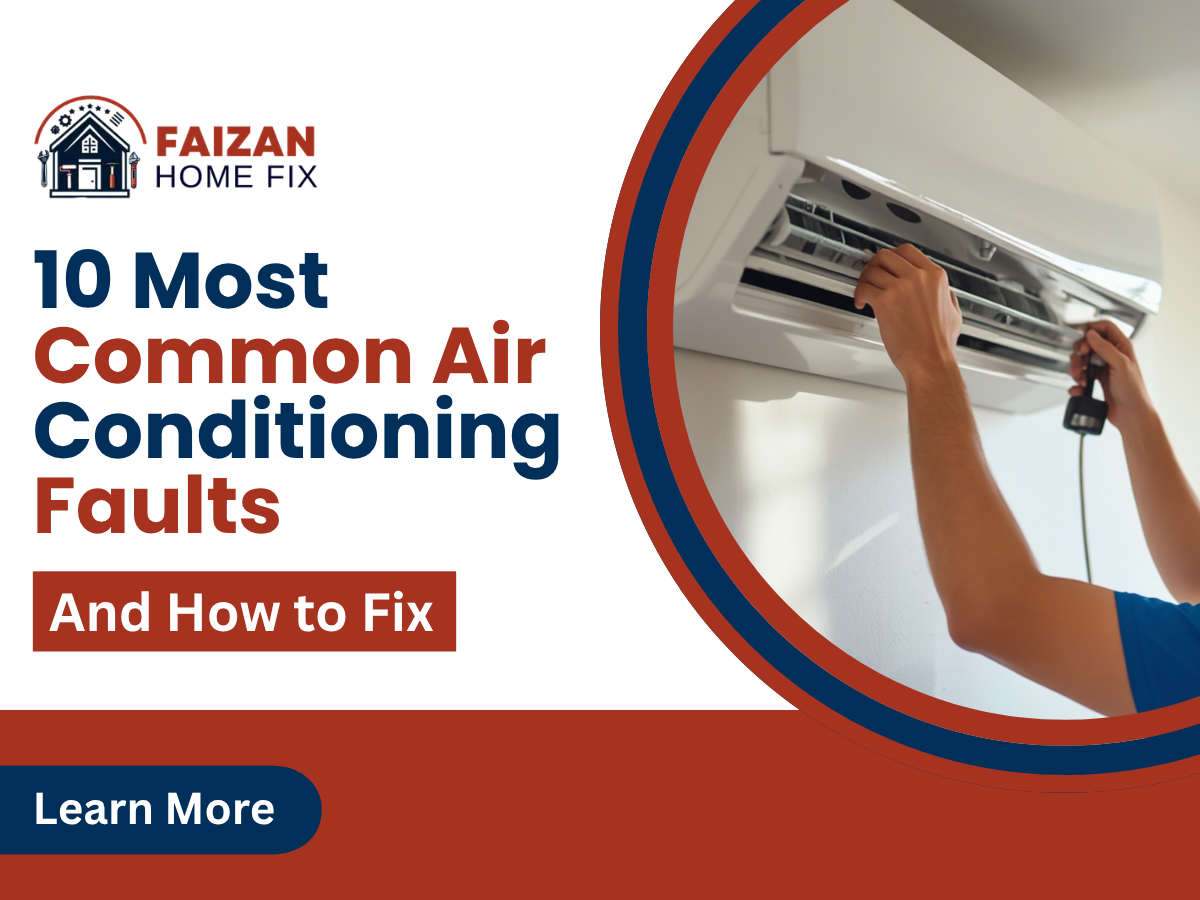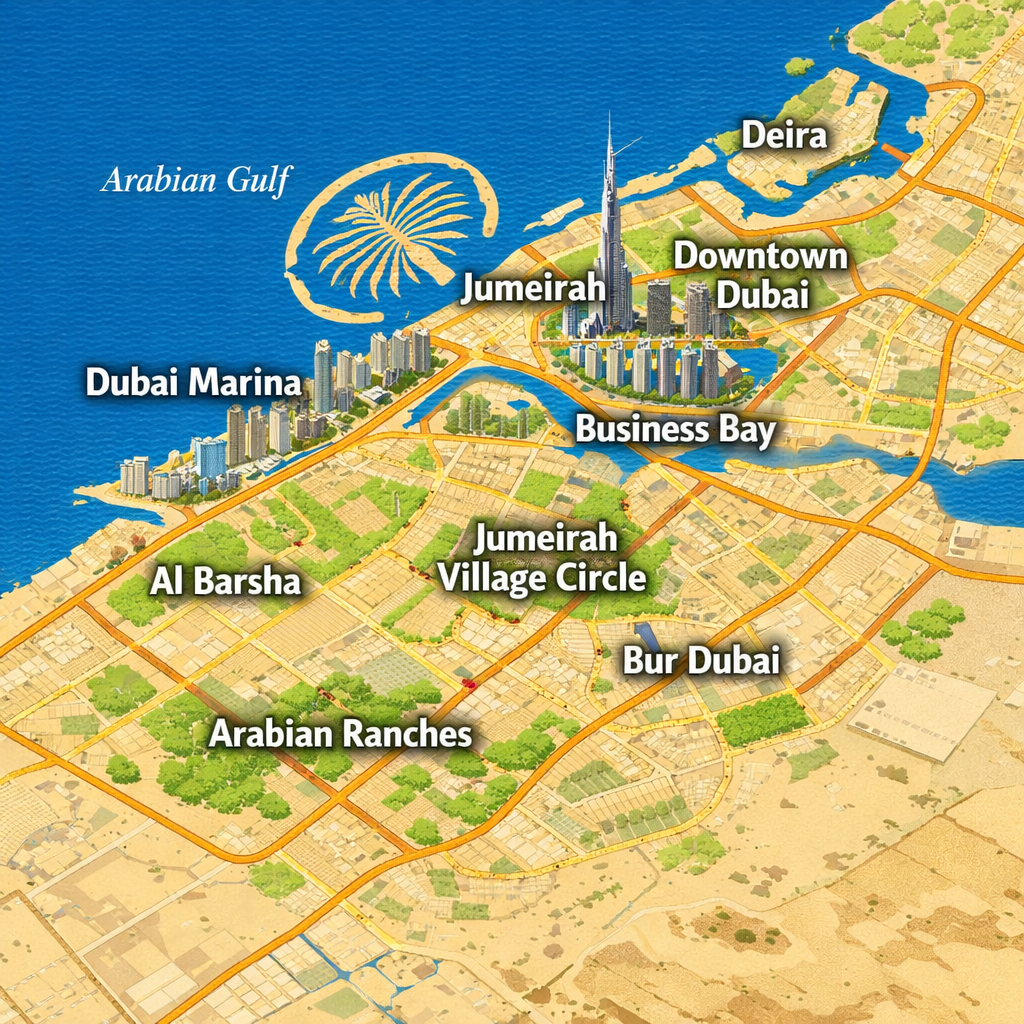
Dubai summers are long and hot. Your air conditioner works almost every day of the year, so it is normal for small problems to show up over time. Knowing the most common air conditioning common faults helps you catch trouble early, save money, and keep your home cool and comfortable.
In this guide, we explain the top AC problems, why your unit may stop cooling, and simple steps you can take before calling a technician. If a fault is serious, our team at Faizan Home Fix can fix it fast and safely.
What Causes Air Conditioning Common Faults?
Most air conditioning common faults happen because of one of these reasons:
- Lack of regular cleaning and servicing
- Dust, sand, and dirt building up inside the unit (very common in the UAE)
- Old or worn-out parts that were never replaced
- Electrical issues such as a faulty circuit breaker or relay
- Low or leaking refrigerant
- Blocked filters, coils, or drain lines
Even a small issue, like a dirty filter, can turn into a bigger and costlier repair if it is ignored for too long.
10 Most Common Air Conditioner Problems
Here are the air conditioner problems our technicians see most often in homes and offices across Dubai.
1. Blocked or Dirty Air Filters and Coils
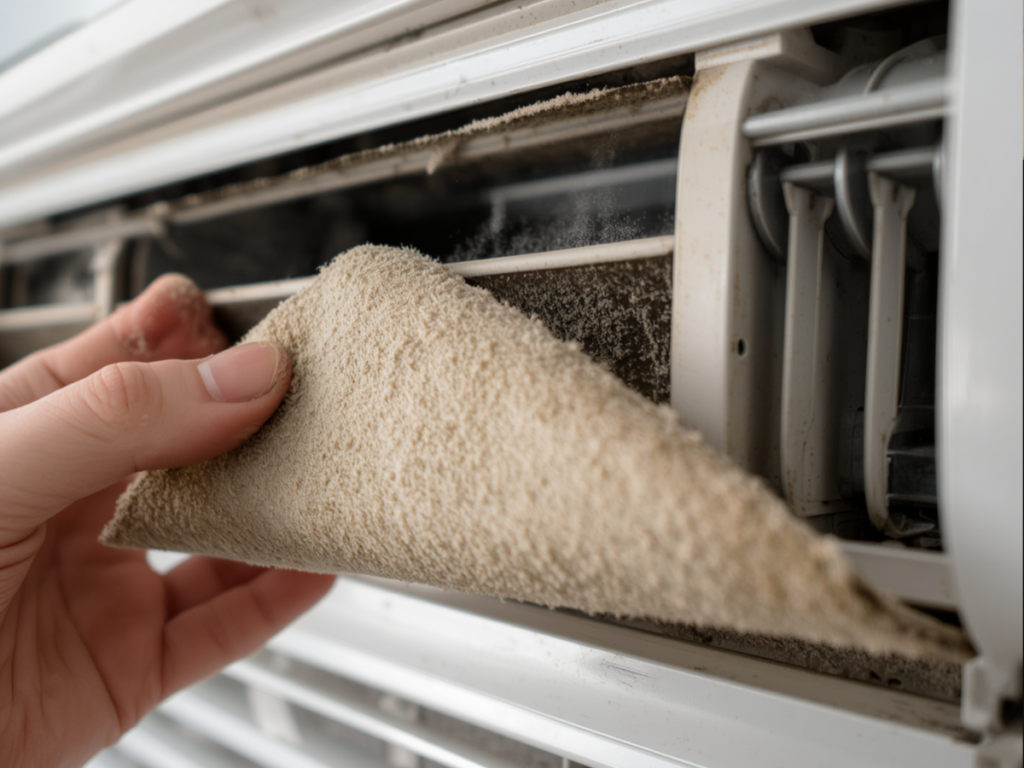
Dust and sand collect quickly in Dubai’s climate. Blocked air filters or coils reduce airflow, make the unit work harder, and lead to reduced AC cooling. This is one of the easiest faults to prevent with regular cleaning.
2. Refrigerant Leak
A refrigerant leak means your AC cannot absorb heat properly. You may notice weak cooling, hissing sounds, or ice forming on the pipes. Refrigerant leakage should always be checked and fixed by a professional, since the gas needs to be handled safely.
3. Faulty Thermostat
A faulty temperature control thermostat can send the wrong signal to the system. This causes the AC to turn on and off at the wrong times, or it may not cool the room to the set temperature at all.
4. Faulty Fan Belts
Older AC units use fan belts to keep air moving. When these belts wear out or slip, the fan slows down, airflow drops, and you may hear a squealing noise.
5. Fan Coil and Air Handling Unit Issues
Problems with the fan coil and air handling units can stop the system from moving cool air through the ducts. This often shows up as weak airflow from the vents.
6. Blocked AC Drain Outlets
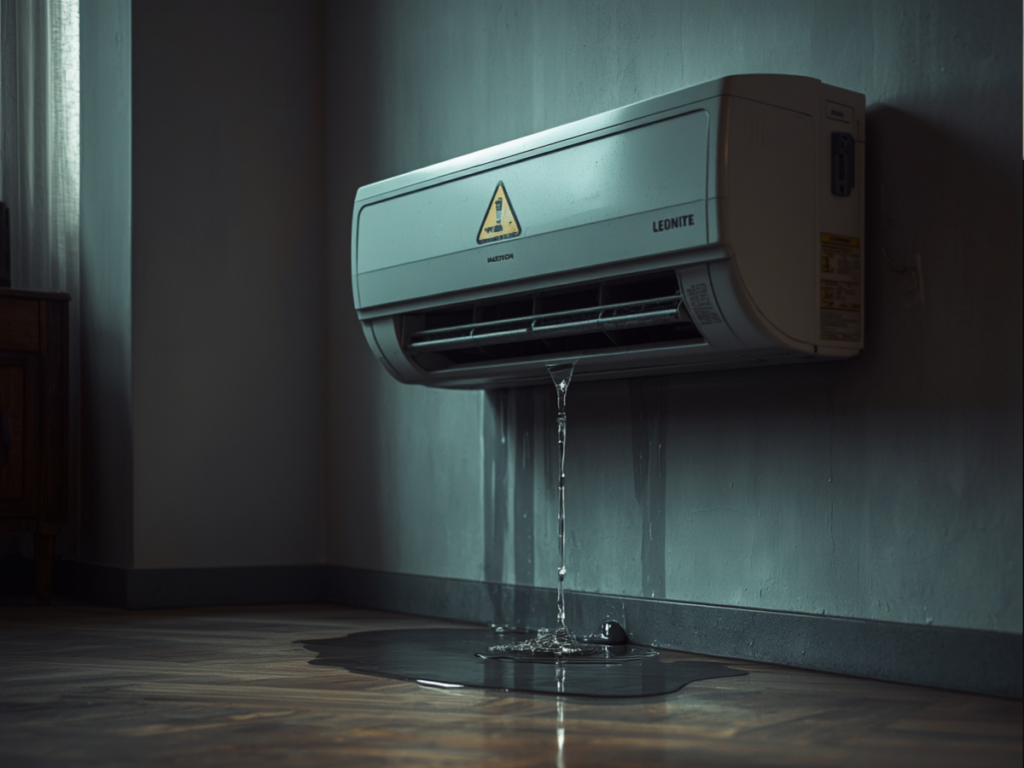
Every AC unit removes moisture from the air and drains it away. When the drain outlet gets blocked, water has nowhere to go. This is one of the main reasons for water leaking from your AC onto floors or ceilings.
7. Faulty Starter Motor, Relays, or Timers
If your AC motor is not working or the unit does not switch on at all, the starter motor, relay, or timer may be damaged. These small electrical parts control how the system starts and runs.
8. Faulty Circuit Breaker
A faulty circuit breaker can trip repeatedly, cutting power to your AC unit. This is often a sign of an electrical fault and should never be ignored, since it can be a fire risk if left unchecked.
9. Dust and Sand Build-Up in Fan and Motor Bearings
Dust and sand build-up inside fan and motor bearings causes extra friction. Over time, this leads to unusual noise, vibration, and eventually motor failure.
10. Loose Fittings Causing Noise or Vibration
Loose screws, panels, or fittings can create rattling, buzzing, or vibrating sounds. While this may sound minor, it usually gets worse and can loosen other parts of the unit.
Why Is My Home AC Unit Running But Not Cooling?
This is one of the most common questions homeowners ask. If your AC is running but not cooling, the reason is usually one of these:
- Dirty air filter – blocked airflow reduces cooling power
- Refrigerant leak – the system has lost the gas needed to cool the air
- AC compressor not cooling – the compressor is the heart of the system; if it fails, cool air stops
- Thermostat problems – wrong settings or a broken sensor
- Blocked outdoor unit – dust, leaves, or objects blocking airflow outside
If you have checked the filter and thermostat and the unit still runs warm, it is best to book a proper AC inspection.
Water Leaks, System Freezes, and Electrical Faults
Three problems tend to alarm homeowners the most, so they deserve extra attention:
Water leaks usually come from a blocked drain line or a dirty air filter, causing the coil to freeze and then melt onto the floor.
System freezes happen when airflow is restricted (dirty filter) or refrigerant is low. Ice can form on the coils, and cooling drops sharply until the ice melts.
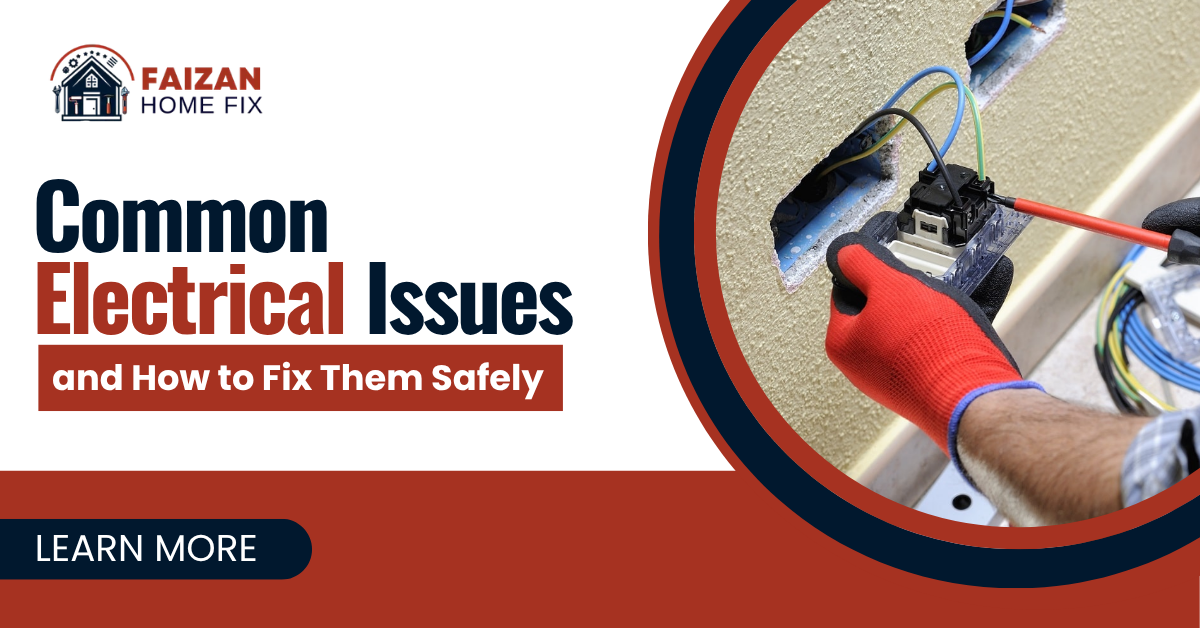
Electrical faults, such as a faulty circuit breaker, damaged wiring, or a failing capacitor, can stop the AC from starting or cause it to shut off on its own. Electrical issues should always be handled by a trained technician for safety.
AC Not Cooling Signs to Watch For
Catching these signs early can prevent a full breakdown:
- AC motor not working or making a humming sound without starting
- AC thermostat not working or showing wrong temperatures
- Water leaking from your AC unit
- AC compressor is not cooling the room properly
- Unusual noise, such as grinding, squealing, or rattling
- Refrigerant leakage or a hissing sound near the pipes
- High AC electricity (DEWA) bills without a clear reason
If you notice more than one of these signs together, it is a strong indication your AC needs a service visit soon.
AC Filter Replacement in Dubai: How Often Is Needed?
Because of the dust and sand in the UAE, AC filter replacement in Dubai should happen more often than in cooler, cleaner climates. As a general guide:
- Homes: clean or replace filters every 4 to 6 weeks
- Offices and busy spaces: every 3 to 4 weeks
- Villas near construction or open desert areas: every 2 to 3 weeks
A clean filter improves airflow, lowers your energy bills, and helps your AC run for many more years without major faults.
How to Prevent Air Conditioning Common Faults
You cannot avoid every repair, but you can reduce how often they happen:
- Clean or replace air filters regularly
- Book a professional AC service every 3 to 6 months
- Keep the outdoor unit free of dust, sand, and debris
- Check the drain line for blockages
- Avoid setting the thermostat too low for long periods
- Have an expert check refrigerant levels once a year
Regular care reduces the chance of sudden breakdowns and keeps your energy bills lower throughout the year.
When to Call a Professional
Some air conditioning common faults are simple, like cleaning a filter. Others, such as a refrigerant leak, a faulty compressor, or an electrical fault, need trained hands and the right tools. If your AC is not cooling, making strange noises, leaking water, or tripping the breaker, it is safer and often cheaper in the long run to book a professional AC repair with Faizan Home Fix rather than wait for the problem to grow.