If you are building or renovating a home in Dubai, Sharjah, or Abu Dhabi, you have probably heard two names again and again: gypsum plaster and cement plaster. When it comes to Gypsum vs Cement Plaster, both are used to give walls and ceilings a smooth, clean finish — but they are not the same, and picking the wrong one can cost you time, money, and even lead to cracks later on.
In this guide, we will break down the full Gypsum vs Cement Plaster comparison in simple words. By the end, you will know exactly which plaster fits your project, whether it’s a bedroom wall, a kitchen, or a full villa renovation.
What Is Gypsum Plaster?
Gypsum plaster is a ready-mix powder made from a soft mineral called gypsum. You simply mix it with water and apply it directly to the wall. There is no need to add sand or cement, and it does not require days of water curing like traditional plaster.
Because it comes ready-made, gypsum plaster gives a smooth, even surface that is almost ready for paint. This is one of the biggest reasons interior designers and contractors in the UAE now prefer it for indoor walls and ceilings.
What Is Cement Plaster?
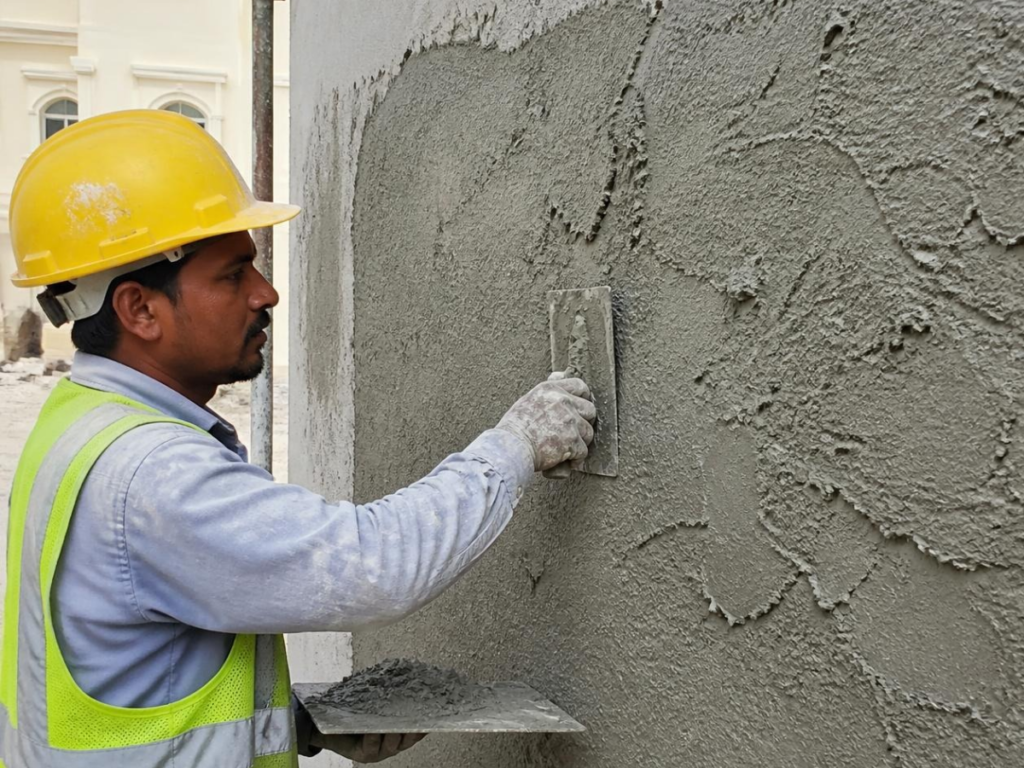
Cement plaster is the traditional method. It is made by mixing cement, sand, and water on-site, usually in a ratio of about 1:4. Workers apply it in one or more coats, and it needs regular water curing for several days to gain full strength.
Cement plaster has been the standard choice for decades because it is strong, widely available, and works well both indoors and outdoors. However, it takes longer to prepare, dry, and finish compared to gypsum plaster.
Types of Plaster
Before comparing the two, it helps to know that plaster generally comes in a few common types:
- Cement plaster – strong, water-resistant, used for interior and exterior walls
- Gypsum plaster – smooth, fast-drying, used mainly indoors
- Lime plaster – an older, breathable option used in heritage or traditional buildings
- POP (Plaster of Paris) – often used for ceiling designs and decorative work
For most modern homes and offices in the UAE, the real decision usually comes down to gypsum versus cement, since these two are the most commonly used for wall finishing.
Gypsum Plaster vs Cement Plaster – Key Differences
Here is a simple side-by-side look at how they compare:
Feature
Drying time |
Curing needed |
Best for |
Finish |
Weight |
Water resistance |
Fire resistance |
Gypsum Plaster
1 to 3 days |
No |
Interior walls & ceilings |
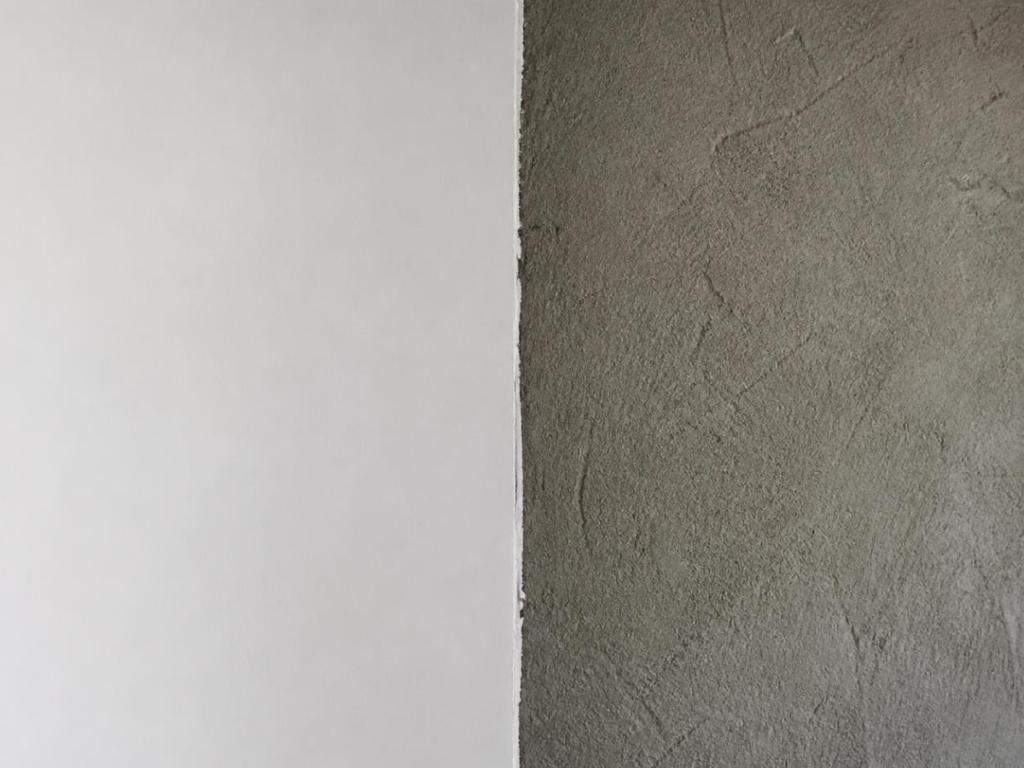
Very smooth |
Lightweight |
Low |
High |
Cement Plaster
Around 21 days |
Yes, needs water curing |
Interior and exterior walls |
Rougher, needs extra putty |
Heavier |
High |
Moderate |
As you can see, each one has its own strengths. The right pick depends on where you’re plastering and what result you want.
Advantages and Disadvantages of Gypsum Plaster
Advantages of Gypsum Plaster
- Dries fast – ready for paint in just a few days
- No curing required, which saves water and labour time
- Very smooth finish, reducing the need for extra wall putty
- Lightweight, so it adds less load to the building structure
- Good fire resistance, helping slow down flames in case of emergencies
- Better sound and heat insulation, keeping rooms quieter and more comfortable
Disadvantages of Gypsum Plaster
- Not suitable for outdoor walls or areas with constant moisture, like bathrooms
- Slightly higher material cost than plain cement plaster
- Softer surface, so it can crack more easily during drilling
- Shorter shelf life once the bag is opened
Which Plaster Is More Cost-Effective?
This is the question most homeowners ask first. On paper, gypsum plaster material costs a little more per bag than cement. But when you add up the full picture, gypsum plaster often works out cheaper overall.
Here’s why: gypsum plaster needs no water curing, less labour time, and almost no finishing putty before painting. Cement plaster, on the other hand, needs more workers, more days on site, and extra material for a smooth top coat. So while cement may look cheaper upfront, gypsum plaster usually saves more money by the time the project is done.
Gypsum Plaster Cost per Square Foot
Prices can shift depending on the supplier, wall condition, and project size, but as a general guide in the UAE market:
- Gypsum plaster typically costs a bit more per square foot in material terms
- Cement plaster material is cheaper, but labour and finishing charges add up
- Once you include labour, curing time, and putty work, the total cost per square foot often becomes very close between the two — sometimes even favouring gypsum
For an accurate quote based on your specific wall size and location, it’s always best to speak with a local plastering team who can inspect the site directly. If you’re in Dubai, you can check out this best plaster work in Dubai service for a proper on-site cost estimate.
Is Gypsum Plaster Strong Enough?
Yes, gypsum plaster is strong enough for everyday indoor use — walls, ceilings, partitions, and false ceiling bases all hold up well with it. It is not meant to bear heavy structural load, but that’s not its job. Its purpose is a smooth, long-lasting finish, and it does that very well indoors.
That said, gypsum plaster is softer than cement, so it is not the best choice for high-impact areas, exterior walls, or spaces exposed to constant water, like bathrooms and kitchens splash zones. For those areas, cement plaster remains the stronger and safer option.
Gypsum Plastering Steps Step by Step
The gypsum plaster application process is fairly quick once the wall is ready. Here’s how it typically works:
- Surface cleaning – Remove dust, loose particles, and old paint from the wall
- Applying a bonding coat (if needed) for better grip on smooth surfaces like concrete
- Mixing the gypsum plaster with clean water to a smooth, lump-free paste
- First coat application using a trowel, spread evenly across the wall
- Leveling and smoothing the surface while the plaster is still workable
- Final finishing with a smooth trowel pass for a paint-ready surface
- Drying time – letting the wall rest for 1 to 3 days before painting
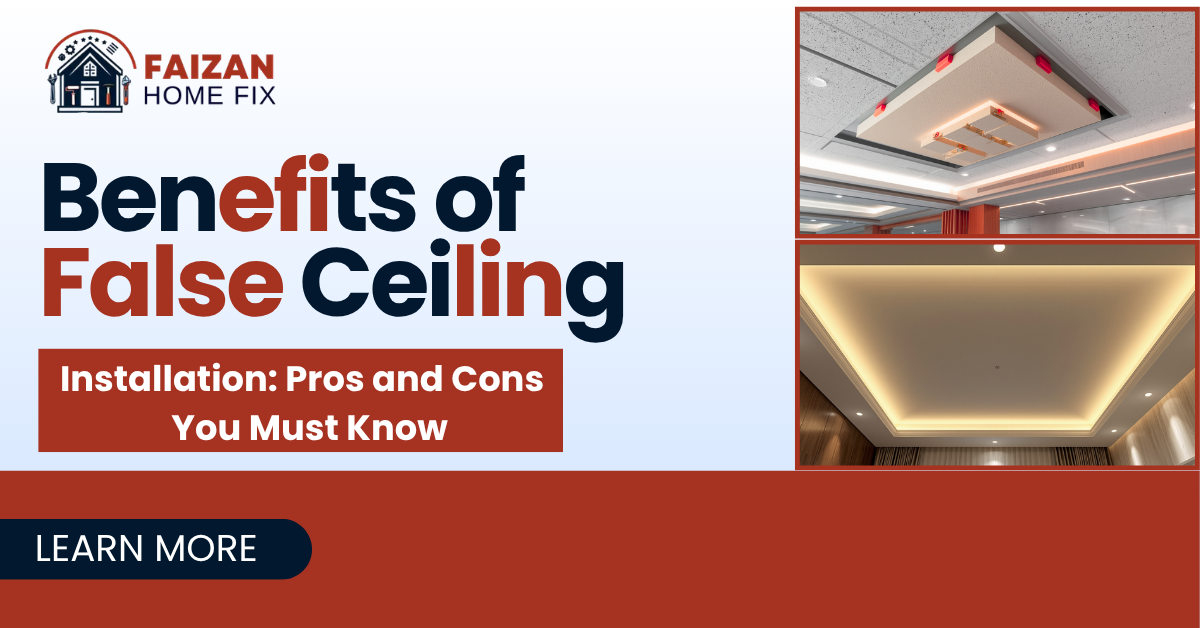
This process is much quicker than cement plastering, which is one reason contractors across the UAE now prefer gypsum for interior renovation projects, especially when paired with modern ceiling work like the false ceiling designs for every room available for bedrooms, living rooms, and halls.
How Long Does Gypsum Plaster Take to Dry?
Under normal indoor conditions, gypsum plaster sets within about 30 minutes and is generally ready for painting in 24 to 72 hours. Compare that to cement plaster, which needs close to 21 days of curing and drying before it’s fully ready. This speed is a major reason why gypsum plaster is so popular for time-sensitive renovation projects, offices, and new apartment handovers in the UAE.
According to Saint-Gobain, gypsum plaster’s fast-drying nature also makes it a practical option for multi-story buildings where construction speed matters.
Final Verdict – Which Plaster Should You Pick for Your UAE Home?
There is no single “best” plaster — it depends on where you’re using it.
- Choose gypsum plaster for bedrooms, living rooms, hallways, and ceilings, where a fast, smooth, paint-ready finish matters most.
- Choose cement plaster for exterior walls, bathrooms, kitchens, and any area that stays in regular contact with water.
Many homeowners in Dubai and Sharjah actually use both — cement plaster outside and in wet areas, and gypsum plaster for the rest of the interior. This combination gives you the strength of cement where it’s needed and the smooth, quick finish of gypsum everywhere else.
If you’re planning a renovation and want expert guidance on which plaster suits your space, it’s worth exploring Faizan Homefix’s detailed breakdown on the benefits of false ceiling installation, which pairs well with a fresh gypsum-plastered interior.
1. Can gypsum plaster be used outdoors?
No, gypsum plaster is not water-resistant, so it is not recommended for exterior walls or areas with regular moisture exposure, such as bathrooms.
2. Why does gypsum plaster dry faster than cement plaster?
Gypsum plaster is a ready-mix material that doesn’t require water curing. It naturally sets and hardens within hours, while cement plaster needs continuous water curing for weeks to reach full strength.
3. Does gypsum plaster support sustainable construction?
Yes. Gypsum plaster generates less waste, uses less water during application, and is lighter in weight, which reduces the overall material and structural load compared to cement plaster.
4. Is gypsum plaster more expensive than cement plaster?
The raw material cost is usually a bit higher, but once you factor in labour, curing time, and finishing work, the total project cost often becomes very close, and sometimes gypsum plaster works out cheaper overall.
5. Can I paint directly on gypsum plaster?
Yes, gypsum plaster gives such a smooth finish that most walls need only a primer coat before painting, without extra putty work.